
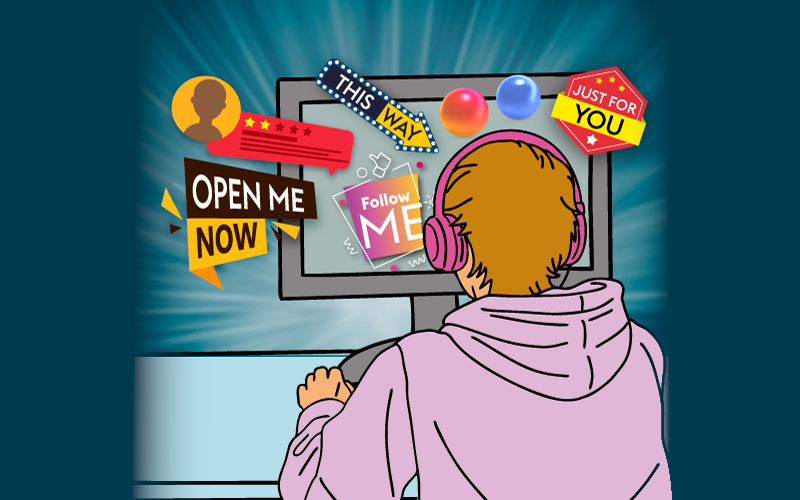
The online world offers children opportunities to learn, play, build friendships and explore their interests. However, some online communities deliberately exploit these opportunities to manipulate, coerce and harm young people.
One growing area of concern is known as ‘The Com’ (short for ‘The Community’). Understanding the risks, recognising potential warning signs and maintaining open conversations can help parents and carers support children to stay safer online.
What is The Com?
The Com is a broad term used to describe interconnected online communities associated with harmful and exploitative behaviour. Some groups have been linked to grooming, coercion, sexual exploitation, self-harm and extreme violence.
People involved may use familiar online spaces, including gaming platforms, social media and messaging services, to make contact with young people.
Not every online community is harmful, and simply using a particular game, app or platform does not mean a child is at risk. The concern is the way some individuals and groups use online relationships to manipulate and exploit others.
How might children be targeted?
Harmful contact does not always begin with an obvious threat. Someone may initially appear friendly, supportive or understanding, particularly towards a young person who feels lonely, isolated or misunderstood.
Over time, an apparently positive relationship may become controlling or threatening. This can involve:
-
Building trust: Offering friendship, attention, praise or a sense of belonging.
-
Moving into private conversations: Encouraging a child to communicate through private messages or less visible online spaces.
-
Introducing harmful content: Sharing disturbing material or normalising increasingly dangerous behaviour.
-
Applying pressure: Encouraging a child to share personal information, images or details about their life.
-
Using threats or blackmail: Exploiting information or material to frighten a child into complying with demands.
Children may not recognise what is happening, particularly if they believe the person is a friend or fear the consequences of ending the relationship.
Who might be vulnerable?
Any child can be targeted. Online exploitation is not limited to a particular age group, background or type of family.
However, some children may be especially drawn to online relationships that offer acceptance, understanding or a sense of belonging. Children experiencing isolation, emotional difficulties or additional needs may benefit from extra support to recognise manipulation and navigate complicated online relationships.
This is not about blaming children or suggesting that vulnerability makes exploitation inevitable. Responsibility always lies with the person choosing to manipulate or harm another.
What warning signs should parents and carers look for?
There is no single sign that confirms a child has encountered The Com. Changes in behaviour can have many explanations, but it is worth paying attention to patterns that are unusual for your child.
Potential indicators include:
-
Becoming increasingly secretive or distressed about online activities.
-
Appearing anxious after receiving messages or using particular apps.
-
Developing intense online relationships with people they have never met.
-
Suddenly using unfamiliar accounts, group chats or messaging services.
-
Becoming fearful about what might happen if they stop communicating with someone.
-
Showing unexplained changes in mood, sleep, friendships or behaviour.
-
Expressing concerning views about self-harm, violence or harming others.
-
Mentioning threats, humiliation, blackmail or pressure to do things they do not want to do.
These signs do not prove that a child is involved with a harmful online group. They are reasons to listen, ask gentle questions and consider whether further support is needed.
How can you help protect your child?
You do not need to know every app, game or online trend to help keep your child safer. A supportive relationship and regular conversations can make a meaningful difference.
1. Take an interest in their online world
Ask what they enjoy online, which games and platforms they use, and who they communicate with. Showing genuine interest can make conversations about difficult experiences feel more natural.
2. Talk about healthy and unhealthy relationships
Help your child understand that a genuine friend will respect their boundaries. Someone who demands secrecy, applies pressure, threatens them or makes them feel afraid is not treating them safely.
3. Encourage children to ask for help
Reassure your child that they can come to you or another trusted adult if something feels wrong. Make it clear that they will be listened to and supported, even if they have already shared information or made a decision they regret.
4. Review privacy and safety settings
Where appropriate, check who can contact your child, send friend requests or view their content. Explore reporting and blocking tools together so your child knows how to use them.
5. Notice changes without jumping to conclusions
If your child becomes withdrawn, anxious or unusually secretive, approach the situation calmly. Ask open questions and give them time to explain rather than assuming you already know what has happened.
6. Respond with reassurance, not blame
If a child has been manipulated or exploited, they may feel embarrassed, frightened or responsible. Avoid criticising them for trusting someone or sharing something. Your priority is to help them feel safe and access the right support.
What should you do if you are concerned?
If you think your child may be experiencing online grooming, coercion or exploitation:
-
Listen and reassure them. Let them explain in their own words and make clear that they have done the right thing by telling you.
-
Consider immediate safety. If someone is threatening your child or there is a risk of harm, seek urgent assistance.
-
Preserve relevant information where safe to do so. Keep details such as usernames, profile links, messages and dates if this can be done safely. Do not download, forward or circulate sexual images of anyone under 18.
-
Report the concern. Contact the police or use the appropriate specialist reporting service. Do not attempt to investigate or confront suspected offenders yourself.
-
Seek additional support. Speak to your child's school or provision safeguarding team where appropriate.
If a child is in immediate danger, call 999.
You can report concerns about online child sexual abuse or grooming directly to CEOP. For advice and support, the NSPCC helpline is available on 0808 800 5000. CEOP's guidance for parents and carers explains when and how to report concerns.
Start a conversation at home
You do not need to have one big, serious conversation. Small, regular check-ins can help children feel more comfortable discussing their online experiences.
You might ask:
-
“Who have you been enjoying talking to or playing with online recently?”
-
“Has anyone online ever made you feel uncomfortable or pressured?”
-
“What would you do if someone asked you to keep a worrying secret?”
-
“Who could you talk to if someone online threatened you?”
Adapt your approach to your child's age, communication preferences and individual needs. Some children may find it easier to talk while doing an activity together or to communicate their worries in writing.
Working together to keep children safe
The Com highlights the importance of understanding not only what children access online, but also the relationships they develop and how those relationships make them feel.
Technology, privacy settings and parental controls can all contribute to online safety, but they cannot prevent every risk. Children also need trusted adults who listen, recognise concerns and respond without judgement.
At Fern Hill Education Group, we encourage parents and carers to keep conversations open, take concerns seriously and seek support whenever something does not feel right.
Children should never have to manage online exploitation alone. By staying informed and working together, we can help children build safer online relationships and feel confident asking for help.
Further information