
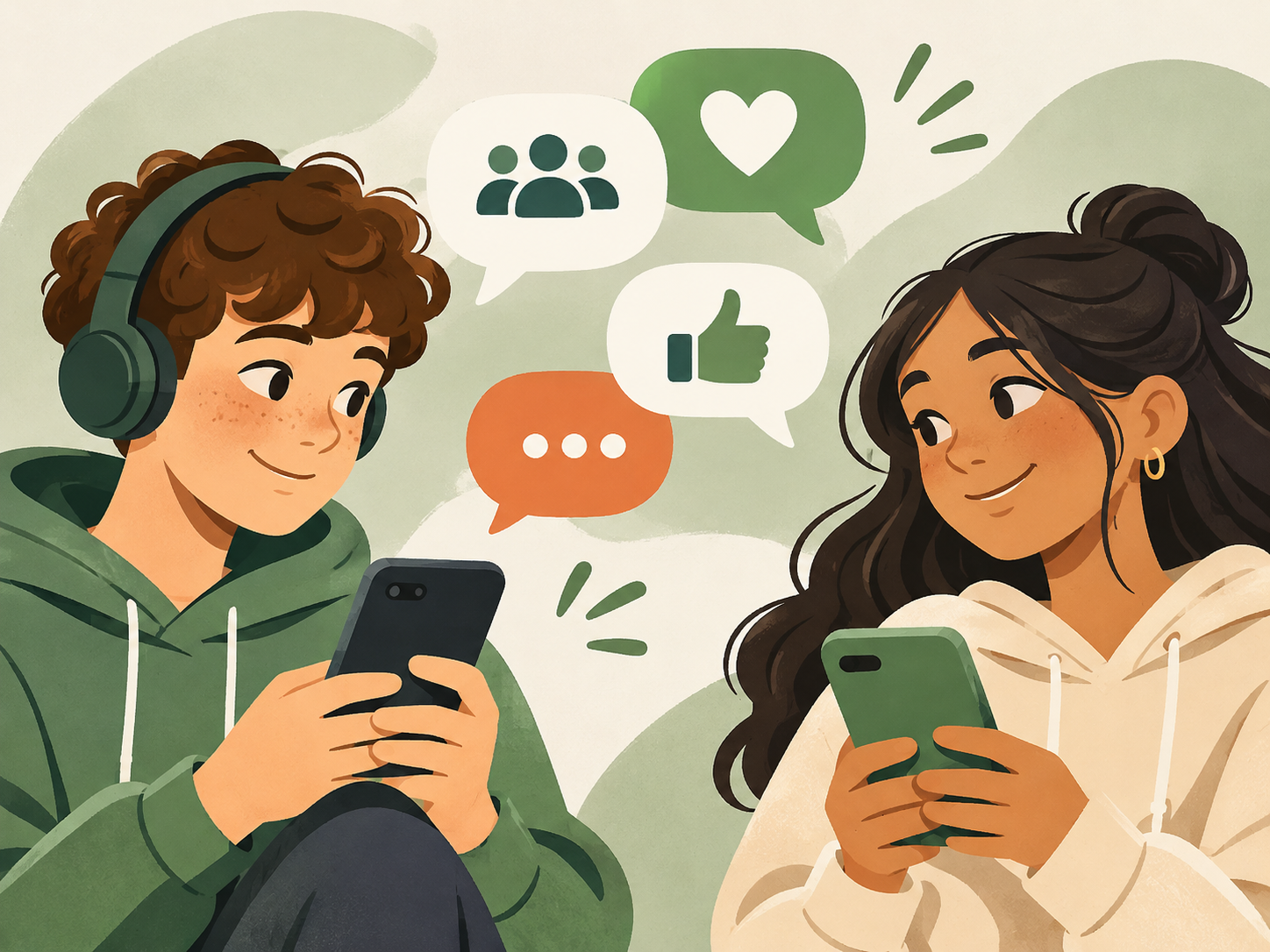
Online friendships, gaming and social media offer children valuable opportunities to connect with others. However, these spaces can also expose them to bullying.
Unlike face-to-face bullying, cyberbullying can follow children home, continue outside school hours and reach a large audience quickly.
We're exploring how parents and carers can recognise cyberbullying and support their child.
What is cyberbullying?
Cyberbullying is bullying that takes place online, including through social media, messaging apps, group chats and gaming platforms.
It can involve:
-
Hurtful messages: Insults, threats or repeated unkind comments.
-
Exclusion: Deliberately leaving someone out of online groups to cause distress.
-
Sharing private content: Posting photographs, screenshots or personal information without permission.
-
Impersonation: Creating fake accounts to embarrass or harm someone.
-
Rumours and harassment: Spreading false information or repeatedly targeting someone.
Not every disagreement is bullying, but even a single incident can cause significant harm.
What signs should parents and carers look for?
Children may be reluctant to speak about cyberbullying because they feel embarrassed, frightened or worried about losing access to their devices.
Possible warning signs include:
-
Becoming upset or anxious after using devices.
-
Avoiding particular apps, games or group chats.
-
Changes in mood, sleep or behaviour.
-
Withdrawing from friendships or activities.
-
Becoming distressed when messages arrive.
-
Reluctance to attend school or social activities.
Every child communicates distress differently. Some children, particularly those with additional needs, may express their feelings through changes in behaviour rather than words.
These signs do not necessarily mean bullying is taking place, but they may indicate that your child needs support.
How to Support Your Child
1. Start a conversation.
Ask how things are going online. Listen calmly and give your child time to explain any concerns.
2. Reassure them.
Make it clear that bullying is not their fault and that asking for help will not automatically mean losing access to their devices.
3. Keep evidence.
Where safe and appropriate, save relevant messages, usernames and screenshots. Do not copy or share sexual images involving children; seek safeguarding advice instead.
4. Block and report.
Help your child use the blocking and reporting tools available on apps, games and social media platforms.
5. Speak to their school or provision.
If bullying involves other learners or affects your child's wellbeing, sharing concerns with the safeguarding or pastoral team can help ensure appropriate support.
6. Support their wellbeing.
Offer reassurance, encourage positive activities and seek additional help if your child continues to experience distress.
What if your child is bullying someone else?
Discovering that your child has contributed to harmful online behaviour can be difficult.
Approach the situation calmly and help them understand how their actions may have affected others.
Encourage accountability, empathy and positive changes in behaviour.
The aim is to help children learn from their actions and develop healthier relationships.
Start a Conversation
Try asking your child:
"If someone was being unkind to you or a friend in a group chat, what would you do?"
Talk about who they could approach for help, how to report harmful behaviour and why nobody should feel pressured to remain in an upsetting conversation.
Remind your child that healthy friendships, whether online or offline, should involve kindness, respect and feeling safe.
Where to Find Help
-
Internet Matters – Cyberbullying – Practical guidance for parents and carers.
-
NSPCC – Bullying and Cyberbullying – Advice on recognising and responding to bullying.
-
Childline – Confidential support for children and young people: 0800 1111.
-
Report Harmful Content – Help with reporting harmful online content.
If your child is in immediate danger, call 999.
Working Together to Keep Children Safe
Cyberbullying can have a significant impact on a child's confidence, relationships and wellbeing.
By recognising warning signs, listening without judgement and encouraging open conversations, we can help children feel safer and more supported.
The most important message is simple: no child should have to deal with online bullying alone.
At Fern Hill Education Group, we encourage families to speak with their provision's safeguarding team whenever they have concerns about a child's online safety or wellbeing.